A door lock is one of the most essential components of home and business security. Yet, it’s often overlooked—until it stops working. When your lock begins to malfunction, it not only causes inconvenience but can also leave your property vulnerable to theft or unauthorized access. Understanding the underlying reasons behind a faulty lock can help you act quickly and avoid further complications. Below, we’ve compiled the most common causes of door lock problems, along with expert tips on how to resolve them.
1. Misalignment Between the Door and Frame
Misalignment is one of the leading causes of a door lock not functioning properly. It happens when the latch or bolt fails to properly align with the strike plate on the door frame, preventing the door from locking or unlocking smoothly.
Why it happens:
-
Settling of your home’s foundation
-
Humidity causing wood to expand or contract
-
Worn-out or loose hinges
-
Poor installation
Why it matters: A misaligned door forces you to jiggle or slam it, which over time leads to more wear and even internal lock damage.
How to fix it: A professional locksmith can realign the strike plate, adjust the hinges, or reposition the entire lock assembly. In some cases, replacing the strike plate with a deeper one can help the bolt seat correctly.
2. Key Won’t Turn in the Lock
Struggling to turn the key is one of the most common—and frustrating—lock problems. It can occur suddenly or get progressively worse over time.
Possible causes:
-
A worn-out or bent key
-
Dirt, grime, or rust inside the lock cylinder
-
Internal pin misalignment
-
Frozen lock (in cold weather)
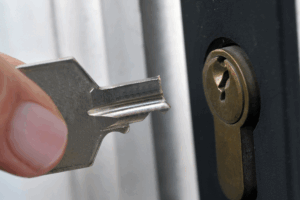
DIY tip: Try gently wiggling the key or using a silicone or graphite-based lubricant. Never force the key, as it could break off inside the lock.
When to call a locksmith: If the problem persists, a locksmith can disassemble and clean the lock cylinder or rekey the lock using a fresh, properly cut key. For frozen locks, de-icers can be applied, but long-term solutions include installing weather-resistant locks or protective covers.
3. Loose Door Handle or Lock Assembly
Over time, frequent use can loosen the screws and internal components of your lock. A loose lock not only feels unstable but also becomes easier to tamper with.
Signs of loose hardware:
-
The handle or knob jiggles
-
The key feels like it slips when turning
-
Lock cylinder rotates in the door
Dangers of ignoring this issue: Loose locks are easier for burglars to manipulate and can eventually stop working altogether if left unaddressed.
Solution: Tightening screws might help, but in many cases, the internal parts are worn out. A locksmith can evaluate the condition of the lock mechanism and perform repairs or replacements as needed.
4. Internal Lock Mechanism Is Damaged or Broken
Lock mechanisms consist of intricate internal components like pins, springs, tumblers, and gears. These parts can wear down, break, or get jammed, especially in older locks or those subjected to excessive force.
Common symptoms:
-
Key turns, but nothing happens
-
Door won’t unlock even with the correct key
-
Lock jams or clicks but doesn’t fully engage
Professional fix: Internal repairs require disassembling the lock, which should only be done by a trained locksmith. In many cases, replacing the mechanism or upgrading to a more secure model is recommended.
5. Deadbolt Doesn’t Extend or Retract Smoothly
Deadbolts provide an added layer of security, but they also need to move smoothly in and out of the door frame. If they stick, drag, or only partially extend, your lock may not be securing the door properly.
Why it happens:
-
Frame swelling due to humidity
-
Obstruction in the bolt path
-
Misaligned strike plate
-
Warped door
How to resolve it: Apply lubricant to the bolt, and check for physical obstructions. If the deadbolt still sticks, a locksmith can make necessary adjustments to the strike plate or door position. If the door itself is warped, additional repair may be required.
6. Worn-Out Lock Cylinder
The lock cylinder is where your key is inserted, and it contains the pins that match your key’s shape. With repeated use, the internal parts of the cylinder may wear out, causing the key to turn improperly or the lock to feel “rough.”
Symptoms of wear:
-
Key no longer fits snugly
-
Turning the key feels gritty
-
Key has to be jiggled to work
Solution: If wear is minimal, a locksmith can clean and lubricate the cylinder. Otherwise, rekeying or replacing the cylinder entirely is the best option.
7. Weather-Related Issues
Weather can be your lock’s worst enemy, especially in regions with high humidity, frequent rain, or extreme temperatures. These conditions can cause locks to rust, corrode, swell, or freeze.
Seasonal issues include:
-
Wooden doors swelling and misaligning the lock
-
Condensation inside the lock freezing in winter
-
Salt in coastal air corroding metal components
Preventive measures:
-
Use weather-resistant locks
-
Install protective covers
-
Lubricate locks seasonally with appropriate products
-
Regular maintenance and inspections
8. Improper Installation
Improper installation is a common cause of persistent lock problems. If the lock or door hardware wasn’t installed correctly, you might experience chronic issues like sticking, misalignment, or hardware failure.
Issues from poor installation:
-
Misdrilled holes for the cylinder or bolt
-
Incorrect screw lengths
-
Uneven mounting surfaces
Why professional installation matters: A locksmith ensures the lock is perfectly aligned, flush with the door surface, and properly secured. Correct installation extends the life of the lock and minimizes future issues.
9. Outdated or Poor-Quality Locks
Like all mechanical systems, locks have a lifespan. If yours is more than a decade old or was made with substandard materials, it may be more susceptible to breakdowns or forced entry.
Signs it’s time to upgrade:
-
Frequent issues despite repairs
-
Lock feels flimsy or insecure
-
Technology is outdated (e.g., no anti-bump protection)
Upgrade benefits: Modern locks come with better materials, advanced security features, and higher resistance to picking or bumping. A locksmith can recommend high-security deadbolts or smart locks that match your security needs and budget.
10. Attempted Break-In or Tampering
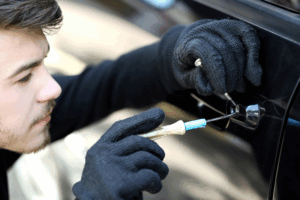
If your lock stops working unexpectedly or looks damaged, it may be the result of tampering or an attempted break-in. Criminals often use tools to pick or force a lock, which can cause subtle or obvious damage.
What to look for:
-
Fresh scratches or tool marks around the keyhole
-
Lock mechanism feels damaged or loose
-
Key doesn’t turn or feels blocked
Immediate steps: Contact a locksmith right away. They can assess the damage, repair or replace the lock, and advise on upgrading to higher-security options like anti-drill or bump-proof locks.
Protect Your Home with Regular Lock Maintenance
Just like any other part of your home, locks require regular care to perform their best. To avoid expensive emergency repairs or compromising your security, follow these lock maintenance tips:
-
Inspect locks bi-annually for looseness or rust
-
Lubricate with graphite or silicone-based spray (never WD-40)
-
Replace keys if they become bent or worn
-
Upgrade locks every 7–10 years or after a break-in
-
Have locks rekeyed after moving into a new home or losing keys
Ensure Peace of Mind with Major Island Locksmith
Your lock is the first line of defense between your property and potential intruders. If you’ve noticed your door lock isn’t working as it should, don’t delay repairs. At Major Island Locksmith, we provide expert lock repair, rekeying, installation, and emergency locksmith services for homes and businesses throughout the area. Whether your lock is sticking, your key won’t turn, or you need a complete security upgrade, our skilled team is here to help—just call 516-779-6698 or email info@majorislandlocksmith.com to schedule prompt, professional service you can trust.