Burglars are always looking for quick and quiet ways to break into homes. One technique that has grown alarmingly popular, especially in older homes, is lock snapping. If your house still relies on traditional Euro cylinder locks—a common feature in many older doors—your home may be more vulnerable than you think.
This blog will explain what lock snapping is, why older homes are especially at risk, and how you can protect your property with practical, modern solutions.
What Is Lock Snapping?
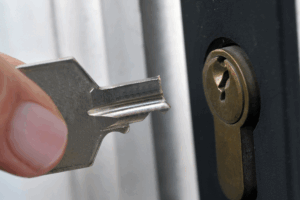
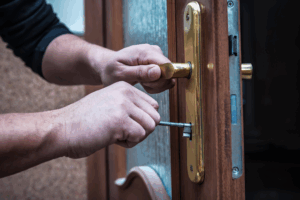
Lock snapping is a forced entry method where burglars break the lock cylinder in two to gain access to a door. This technique is particularly effective on standard Euro cylinder locks, which are widely used in many homes for uPVC, composite, and wooden doors—especially older properties that haven’t upgraded their security.
Here’s how it typically works:
-
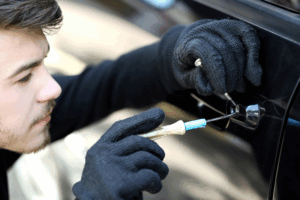
A burglar uses simple hand tools (like a hammer and screwdriver) to apply force to the lock.
-
The cylinder “snaps” at its weakest point.
-
Once broken, the inner mechanism is exposed and easily manipulated to unlock the door—often within seconds.
This technique requires no special skill, is relatively quiet, and leaves little evidence—making it attractive for opportunistic criminals.
Why Older Homes Are at Higher Risk
Older homes often come with charming architectural details—but their security systems are typically outdated. If your home still has its original doors or locks, it may be highly susceptible to modern burglary techniques like lock snapping.
Common vulnerabilities in older homes include:
-
Standard, non-anti-snap Euro cylinders
-
Worn or poorly installed locks
-
Outdated wooden or uPVC doors without reinforcement
-
Lack of multipoint locking systems
-
No door hardware upgrades since initial construction
Many homeowners assume their locks are secure simply because they function properly. Unfortunately, visible security doesn’t always equal actual protection.
Signs Your Lock May Be Vulnerable to Snapping
You should inspect your current door locks for signs of outdated or weak construction. Here are key red flags:
-
Protruding lock cylinders: If the cylinder sticks out more than 5mm from the handle, it can be easily gripped and snapped.
-
Basic Euro cylinder (no markings): If your lock has no standard markings (like British Standard Kitemark or SS312 Diamond), it’s likely not anti-snap.
-
Plastic or flimsy handles: Weak door hardware offers less protection and may break under pressure.
-
Single point locking: If your door doesn’t use a multipoint locking mechanism, it’s easier to force entry.
If you’re unsure, a licensed locksmith can perform a quick security audit to assess your risks.
How to Prevent Lock Snapping in Older Homes
Fortunately, preventing lock snapping doesn’t require replacing your entire door. A few strategic upgrades can significantly increase your home’s resistance to forced entry.
1. Install Anti-Snap Cylinders
The best defense against lock snapping is installing a lock designed to withstand it. Anti-snap cylinders have built-in sacrificial sections that break off when attacked—without exposing the lock’s inner mechanism.
Look for locks that meet:
-
TS007 3-star rating
-
SS312 Diamond Standard
-
British Standard Kitemark certification
These locks are engineered to withstand multiple forms of attack, including snapping, drilling, and bumping.
2. Upgrade to a Multipoint Locking System
Unlike single-point locks, multipoint systems secure the door at multiple positions (top, middle, bottom) when locked. This makes it much harder to force the door open—even if the cylinder is compromised.
This system is ideal for uPVC or composite doors but can also be fitted to wooden doors with proper reinforcement.
3. Fit Reinforced Handles or Cylinder Guards
High-security door handles with built-in protection can shield the cylinder from physical attacks. Additionally, installing cylinder guards or escutcheons can prevent tools from getting a grip on the lock.
Look for handles and guards made from hardened steel or anti-drill metal alloys for the best protection.
4. Ensure Proper Lock Installation
Even the most secure lock can fail if it’s installed improperly. Make sure:
-
The lock doesn’t extend more than 2–3mm beyond the door handle.
-
All screws are tight and properly aligned.
-
Door alignment and weather stripping do not interfere with lock engagement.
Pro tip: Always have locks installed by a professional locksmith certified in anti-snap installations.
5. Add Secondary Security Devices
Strengthen your door further with:
-
Door chains or security latches
-
Reinforced door frames or strike plates
-
Smart locks with intrusion alerts
-
High-security night latches
Combining multiple security features creates layers of protection that deter even determined intruders.
Bonus: Smart Locks for Added Control
For homeowners ready to take things to the next level, smart locks can offer both convenience and advanced security. Some models even include tamper alerts that notify you if someone tries to manipulate the lock.
Benefits of smart locks include:
-
Remote locking/unlocking via smartphone
-
Temporary access codes for guests or service providers
-
Real-time activity logs and intrusion detection
When choosing a smart lock, ensure it includes mechanical anti-snap features or is used in conjunction with a strong manual locking mechanism.
Final Thoughts
Older homes offer beauty, character, and a sense of history—but without the right lock upgrades, they can also present a soft target for modern burglars. Lock snapping is fast, quiet, and highly effective—unless your locks are designed to resist it.
Upgrading to anti-snap locks, securing your door hardware, and working with a qualified locksmith can make all the difference. Taking these proactive steps can help ensure your family and property remain safe—without compromising the charm of your older home.
Secure Your Home Today
If you’re unsure about your current locks or want expert help fortifying your home, Major Island Locksmith is here to help. Our team specializes in protecting homes across Nassau County and beyond.
Call us at 516-779-6698 or email info@majorislandlocksmith.com for a professional lock evaluation and anti-snap lock installation.