Picture this: you’re coming home after a long day, fumbling for your keys in the dark, only to realize they’re sitting on your kitchen counter – and you’re standing outside with no way in. Getting locked out of your home is frustrating any time of day, but when it happens at night, it can feel downright scary. Whether you forgot your keys inside, lost them during your evening out, or your lock decided to malfunction at the worst possible moment, don’t panic. Here’s how to handle a nighttime lockout safely and get back inside without putting yourself at risk.
Your Safety Comes First
Before you even think about getting back inside, prioritize your personal safety above everything else. Being locked out at night can make you vulnerable, so take these immediate precautions:
Stay in well-lit areas. Move toward streetlights, porch lights, or any illuminated spaces. Avoid dark corners, alleys, or secluded areas around your property where you might not be easily seen by neighbors or passersby. Good lighting not only deters potential threats but also helps you see clearly as you assess your options.
Keep your phone charged and accessible. Your smartphone is your lifeline in this situation – it’s your connection to help, your flashlight, and your safety net. If your battery is running low, consider asking a trusted neighbor if you can charge it briefly, or head to a nearby 24-hour business where you can plug in safely while you wait.
Stay alert and trust your instincts completely. If something feels off about your surroundings, if you notice suspicious activity, or if you simply feel uncomfortable, don’t hesitate to move to a safer location immediately. This might mean walking to a nearby friend’s house or going to a well-lit public place.
Quick Check: Did You Actually Lock Yourself Out?
Before calling for help, do a systematic but thorough check of your home. Sometimes what feels like a complete lockout has a surprisingly simple solution:
Try all doors and windows methodically. Check your back door, side entrances, basement doors, and ground-floor windows (only on your own property, of course). You might have left something unlocked earlier in the day, or a family member might have forgotten to secure a less-used entrance.
Look for hide-a-keys in all the usual spots. If you or a family member has a spare key hidden somewhere, now’s the time to remember where it is. Check under flower pots, door mats, fake rocks, or wherever you typically stash emergency keys. Don’t forget about keys that might be hidden near back doors or in outdoor equipment.
Check with household members. Send a quick text or make a quiet call to anyone else who lives in your home. They might be awake and able to let you in, or they might be out and planning to return soon. Even if they’re sleeping, a gentle call might be worth the temporary embarrassment.
Double-check your belongings thoroughly. Sometimes keys are hiding in jacket pockets, purse compartments, or car consoles that you haven’t checked yet. Look everywhere before assuming they’re truly lost or locked inside.
Safe Options for Getting Back Inside
If you’ve confirmed you’re truly locked out, here are your safest nighttime options:
Call a Professional Emergency Locksmith
This is typically your best bet for a safe, damage-free solution. Professional locksmiths are trained to handle exactly these situations. When calling an emergency locksmith at night:
Choose a reputable company. Even in your stressed state, take a moment to call a locksmith with good reviews and proper licensing. Avoid random numbers – scam artists often prey on people in emergency situations.
Ask for identification and credentials upfront. A legitimate locksmith will have proper ID, business licenses, and often wear uniforms or drive clearly marked vehicles. Don’t let anyone work on your locks without seeing proper identification first.
Get a detailed quote before work begins. Reputable services will give you a clear estimate over the phone and confirm it when they arrive. Be wary of companies that can’t provide pricing information upfront.
Stay in a safe, visible location while you wait. Don’t hide in shadows – stay where neighbors or the arriving locksmith can easily see you. This protects both you and helps the locksmith verify they’re at the right location.
Have your ID ready. The locksmith will need to verify that you actually live at the address before they’ll help you gain entry. This protects both you and your property from potential break-ins.
Contact Trusted Friends or Family Members
If you have a spare key with someone nearby, this might be quicker than waiting for a professional. However, be thoughtful about timing and only contact people you trust completely. Let them know your exact situation and location, and consider whether it’s reasonable to wake them up given the time and their circumstances.
Seek Safe Temporary Shelter
If it’s very late or professional help isn’t immediately available, consider safe temporary options:
Trusted neighbors who know you well can provide temporary warmth and safety. Only approach neighbors you’ve spoken with before and who would recognize you.
24-hour businesses like diners, convenience stores, or gas stations can provide a safe, well-lit place to wait while you arrange professional help. Many businesses are understanding of people in genuine emergencies.
Hotels or motels are an option if you have your wallet and ID with you. While this adds expense, it might be the safest choice in harsh weather or unfamiliar areas.
What NOT to Do When Locked Out at Night
Avoid these dangerous mistakes:
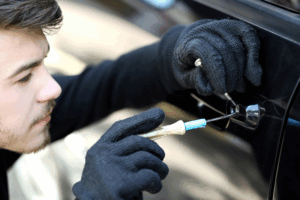
Don’t attempt to break in yourself. Trying to force doors, break windows, or climb through openings can result in serious injury, expensive property damage, and might trigger alarms or prompt neighbors to call police.
Don’t accept help from strangers. While most people have good intentions, nighttime lockouts make you vulnerable. Politely decline offers from people you don’t know well.
Don’t panic or make impulsive decisions. Take deep breaths and think through your options calmly. Panic leads to poor choices like attempting dangerous break-ins or trusting the wrong people.
Don’t try to pick the lock yourself. Lock picking requires specific tools and expertise. Using improvised tools like credit cards or bobby pins is likely to damage your lock, making the situation worse and more expensive.
Don’t leave your location without telling someone. If you decide to wait elsewhere, let a trusted friend or family member know where you’re going.
Be Prepared for Next Time
Once you’re safely inside, take steps to prevent future lockouts:
Establish a proper spare key system. Use a high-quality lockbox with a combination code rather than hiding keys under obvious spots. Give spare keys to trusted neighbors or family members who live nearby.
Consider smart lock technology. Modern smart locks offer keypad entry or smartphone access, eliminating the need for physical keys entirely. While requiring initial investment, they prevent most lockout scenarios.
Keep emergency contacts readily available. Save a reputable locksmith’s number in your phone before you need it. Research companies when you’re not stressed so you can make informed decisions.
Perform regular lock maintenance. Many lockouts happen because locks are failing rather than because of lost keys. Address sticky or difficult locks before they fail completely.
Create a lockout emergency plan. Discuss with family members what to do if someone gets locked out. Make sure everyone knows where spare keys are located and how to access them safely.
When to Call Police
Most lockouts aren’t police matters, but call 911 immediately if:
- You feel threatened or unsafe
- You notice signs of a break-in at your home
- You’re locked out in severe weather that poses health risks
- You have a medical emergency
- You smell gas, smoke, or suspect other immediate dangers
Common Lockout Scenarios
Understanding different situations helps you choose appropriate responses:
Keys locked inside is the most common scenario, usually resolved quickly by professionals without damage.
Lost or stolen keys require not just entry but also lock replacement or rekeying for security.
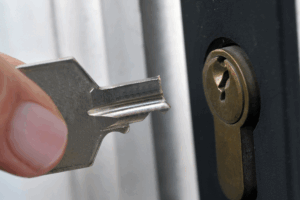
Broken keys in locks need special extraction tools before the lock can function again.
Malfunctioning smart locks may have backup key access, but often require professional diagnosis.
The Bottom Line
Getting locked out at night is stressful, but it’s solvable with the right approach. Stay calm, prioritize your safety, and don’t hesitate to invest in professional help. Your security is worth more than the cost of a locksmith call. When in doubt, choose options that keep you safe rather than trying dangerous shortcuts.
Professional Help When You Need It Most
When you find yourself locked out at night and need reliable assistance, Major Island Locksmith is here to help. Our experienced team provides safe, fast, and dependable emergency locksmith services around the clock. We serve the community with fully licensed and insured technicians who arrive equipped to resolve your lockout quickly without property damage.
We understand that being locked out can be more than an inconvenience – it can be a safety issue. Whether you’ve lost keys, locked them inside, or are dealing with malfunctioning locks, our professionals can restore access safely and efficiently. We provide upfront pricing, carry proper identification, and prioritize your security throughout the process.
Don’t let a nighttime lockout leave you vulnerable. Contact Major Island Locksmith at 516-779-6698 or reach out at info@majorislandlocksmith.com for reliable emergency services. Our team stands ready to help you get back inside safely, no matter the time of day or night.