Your locks are the first line of defense against intruders, theft, and unauthorized access — yet they’re often the most overlooked component of home and business security. Like any mechanical device, locks wear down over time. Without regular maintenance, even the best lock can malfunction, leaving you vulnerable to break-ins or lockouts.
Whether you own a home, manage a business, or rely on high-tech smart locks, proper maintenance ensures that your locks continue working smoothly for years to come. In this guide, we’ll explore how to maintain your locks for long-term security, prevent unexpected failures, and save money in the long run.
Why Lock Maintenance Is Important
Locks are built to last, but constant use, environmental factors, and lack of care can lead to wear and tear. Here’s why consistent maintenance is essential:
-
Enhanced Security: Functional locks are critical to preventing break-ins and unauthorized access.
-
Extended Lifespan: Regular care can significantly increase the life of your locks, reducing the need for early replacement.
-
Cost Savings: Preventative maintenance helps avoid expensive repairs or emergency locksmith visits.
-
Avoid Lockouts: Keeping locks in good condition reduces the risk of keys getting stuck or breaking.
-
Peace of Mind: Knowing your locks are in optimal condition adds an extra layer of confidence in your security system.
1. Clean Your Locks Inside and Out
Over time, locks can accumulate dirt, grime, and debris — especially on exterior doors. This buildup can make it harder to insert or turn keys and may damage internal components.
How to Clean Exterior Locks:
-
Wipe the lock body and faceplate with a soft, damp cloth to remove dirt.
-
Use compressed air to blow dust out of the keyhole.
-
Avoid using chemical cleaners or abrasive pads, as these can damage the lock’s finish.
How to Clean Interior Mechanisms:
-
Insert a clean, dry key into the lock and gently turn it to remove internal residue.
-
Do not use oil-based cleaners or graphite powder unless recommended by the manufacturer.
2. Lubricate Locks with the Right Product
One of the most important steps in lock maintenance is proper lubrication. A well-lubricated lock operates smoothly and reduces internal friction.
Best Practices:
-
Use a dry lubricant like Teflon or silicone spray, which repels dirt and moisture.
-
Spray directly into the keyhole, then insert the key and turn it several times to spread the lubricant inside.
-
For deadbolts, apply lubricant to both the latch and bolt mechanisms.
-
Avoid WD-40 and other oil-based sprays — they may initially improve movement but attract dust and eventually gum up the lock.
Plan to lubricate your locks at least twice a year, or more frequently in high-humidity or dusty environments.
3. Inspect Locks for Visible Wear or Damage
Performing visual checks on your locks can help you identify issues before they become problems.
Look for:
-
Rust or corrosion on the exterior
-
Loose screws, handles, or knobs
-
Cracks in the lock body or key cylinder
-
A misaligned latch that doesn’t sit properly in the strike plate
If any of these signs appear, contact a professional locksmith to evaluate whether repair or replacement is necessary. Catching problems early saves money and protects your security.
4. Check and Adjust Door Alignment
Even if your lock is in perfect shape, it won’t function properly if the door is misaligned. Misalignment can cause the latch to miss the strike plate or put pressure on the bolt.
Signs of Door Misalignment:
-
The key doesn’t turn smoothly
-
You have to push or pull the door to engage the lock
-
The deadbolt doesn’t fully extend or retract
Tightening door hinges, adjusting the strike plate, or rebalancing the door frame may be necessary. For best results, have a locksmith assess and realign the door and lock.
5. Maintain and Replace Keys When Needed
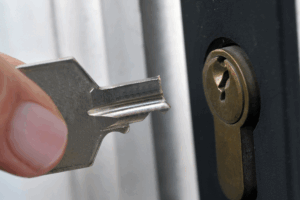
Worn-out or bent keys can damage your locks. Even a small deformity can cause the key to stick or break inside the lock.
Best Practices:
-
Inspect keys for wear, warping, or burrs
-
Don’t force a key that’s difficult to turn
-
Replace worn keys before they damage the internal pins
-
Avoid copying worn keys — instead, have a locksmith cut a new one from the original lock code
Keeping your keys in good condition is an easy way to extend the life of your locks.
6. Schedule Routine Lock Function Tests
At least once every few months, test each lock around your property:
-
Insert the key and turn it fully in both directions
-
Ensure the latch and bolt retract and extend smoothly
-
Test the lock from both the inside and outside
-
Make sure smart locks respond quickly and reliably
Routine testing can reveal early warning signs like grinding, sticking, or sluggish response that may require professional service.
7. Protect Locks from Weather Damage
Locks on exterior doors, gates, garages, and sheds are exposed to harsh conditions — including rain, snow, wind, and salt air. These factors can lead to rust and corrosion.
Weatherproofing Tips:
-
Use weather-resistant locks made from brass or stainless steel
-
Install protective covers or hoods over exposed locks
-
Apply silicone spray during winter to prevent freezing
-
In freezing conditions, never pour hot water on a lock — this can make things worse. Use de-icer spray or a lock-safe antifreeze lubricant.
Maintaining exterior locks is especially important in coastal or cold-weather climates where environmental damage is more likely.
8. Maintain Smart Locks and Digital Entry Systems
Smart locks are convenient, but they also require regular maintenance to ensure reliability and security.
Smart Lock Care Checklist:
-
Replace batteries every 6–12 months (or as recommended)
-
Keep firmware and mobile apps updated for improved security and performance
-
Clean keypads, fingerprint sensors, or touchscreen surfaces with a microfiber cloth
-
Test remote access functionality and Bluetooth/Wi-Fi signals regularly
If a smart lock begins to lag or disconnect, contact a locksmith who specializes in digital entry systems.
9. Know When to Rekey or Replace Your Locks
Even with excellent maintenance, there are times when locks should be rekeyed or replaced:
-
After losing keys or moving into a new home
-
Following a break-in or attempted forced entry
-
When firing an employee who had access
-
If locks are more than 10–15 years old
Rekeying is a cost-effective way to restore security without replacing the entire hardware. For outdated or heavily worn locks, upgrading to high-security or smart locks may be the better option.
10. Work with a Professional Locksmith
While basic lock care can be done on your own, some tasks are best left to the experts. A professional locksmith can:
-
Inspect and service complex lock systems
-
Rekey or replace locks efficiently
-
Install smart locks or access control systems
-
Perform security audits and recommend upgrades
Scheduling a lock inspection every 1–2 years helps keep your security system in top shape and ensures nothing is overlooked.
Final Thoughts
Lock maintenance is a simple yet powerful way to safeguard your property, prevent emergencies, and maximize the life of your security hardware. Whether you live in a quiet neighborhood or manage a bustling commercial property, staying proactive about lock care ensures your peace of mind.
From routine cleaning and lubrication to replacing worn keys and protecting against the elements, every step plays a role in long-term security. And when in doubt, trust a local locksmith to help you maintain, upgrade, or troubleshoot your locking systems.
If you want to ensure your locks are functioning at their best, or if you’re overdue for a routine security check, reach out to the experts at Major Island Locksmith. We specialize in comprehensive lock maintenance and security solutions for homes, businesses, and vehicles. Whether you need rekeying, repairs, or preventative service, our team is here to help. Contact us at info@majorislandlocksmith.com or call 516-779-6698 to schedule your service today and protect what matters most.